Traditional bodywork
Hands-on work is adapted to the person and may include massage, mobilising techniques and careful work around areas of tension or discomfort.
The restorative side of Cimande
Cimande is known not only as a martial tradition, but also for a long association with massage, oils, injury care and traditional body-setting practices.
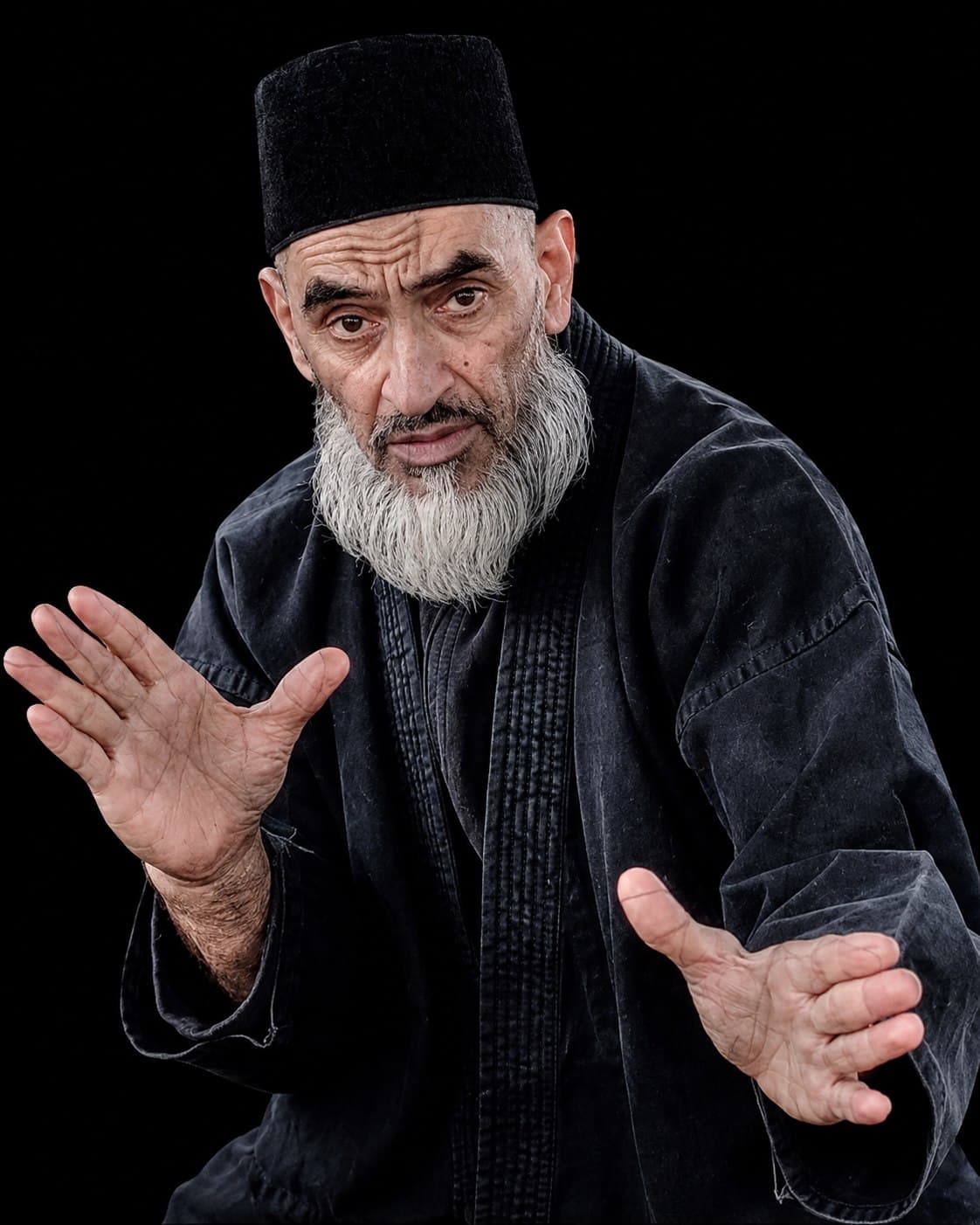
Master Abdur Rahman Blanchette offers traditional complementary hands-on treatments drawing on this restorative side of the Cimande inheritance. Sessions are treatments, not classes in how to perform the healing method.
Hurt and heal
In Master Abdur Rahman's account of the Tarikolot tradition, the older Cimande culture did not separate martial development from responsibility for recovery and care. Massage, oils and traditional injury knowledge formed part of the wider practice.
That principle is presented here as cultural and lineage inheritance. It is not a claim that traditional bodywork replaces modern medical diagnosis, emergency treatment, physiotherapy or other regulated healthcare.
A treatment session
A session begins with a conversation about the area of concern, relevant history and what the person is hoping to improve.
Treatment may then include massage, hands-on bodywork, careful positional or alignment work and the use of traditional Cimande oil where appropriate. The exact approach depends on the person, the presentation and Master Abdur Rahman's judgement.
The purpose of the appointment is to receive treatment. It is not an instructional seminar in how to practise the healing system on other people.
The traditional approach
These are broad public descriptions, not a promise that every element will be used in every appointment.
Hands-on work is adapted to the person and may include massage, mobilising techniques and careful work around areas of tension or discomfort.
The treatment may include simple positional and structural work intended to help the person feel more balanced and comfortable in their movement.
Traditional Cimande oil and herbal preparations form part of the wider cultural inheritance described by Master Abdur Rahman and may be used where appropriate.
In the Cimande tradition, knowledge of training, injury care, massage and recovery has historically sat alongside martial practice rather than being treated as completely separate worlds.
Important health boundary
Traditional Cimande healing is offered as complementary bodywork. It does not diagnose disease, replace medical assessment or guarantee treatment of fractures, tendon tears, dislocations, neurological problems or other injuries.
If you suspect a fracture, serious sprain, dislocation, head or spinal injury, severe pain, loss of function, numbness, unusual swelling or another urgent problem, seek appropriate medical care first. Tell us about relevant diagnoses, medication, recent surgery and anything else that may affect hands-on treatment.
A living Cimande inheritance
Master Abdur Rahman describes his Tarikolot transmission as one in which martial practice, conditioning, discipline and healing responsibility remain connected. The organisation is documenting that inheritance carefully so public claims stay proportionate to the available first-hand, traditional and independently supported evidence.
Explore Silat Cimande Asli TarikolotSuitable enquiries
Make an enquiry
Describe the issue briefly, where you are based and any relevant medical information. We will reply about suitability and the next available arrangement.