Breath
Natural breathing is coordinated with posture and movement. The aim is calmness, composure and efficient use of the body rather than theatrical breath holding or mystical display.
Indonesian internal training
You may know Qigong, Tai Chi or Yoga. Indonesia and the wider Malay world also preserve traditions of breath, structure, movement and internal development.
In Master Abdur Rahman Blanchette's teaching, this work is not presented as magic. It is cultivated through natural breathing, body alignment, movement, composure, sustained practice and careful guidance.
A lesser-known Southeast Asian tradition
Tenaga Dalam is used here as an accessible Indonesian umbrella term for internal training. It is a useful point of reference for people familiar with Chinese internal arts, but it is not another name for Qigong and should not be treated as identical to it.
The public introductory work focuses on principles that can be taught responsibly: breathing, posture, structural alignment, grounded movement, relaxation without collapse, balance and attention.
The Cimande perspective
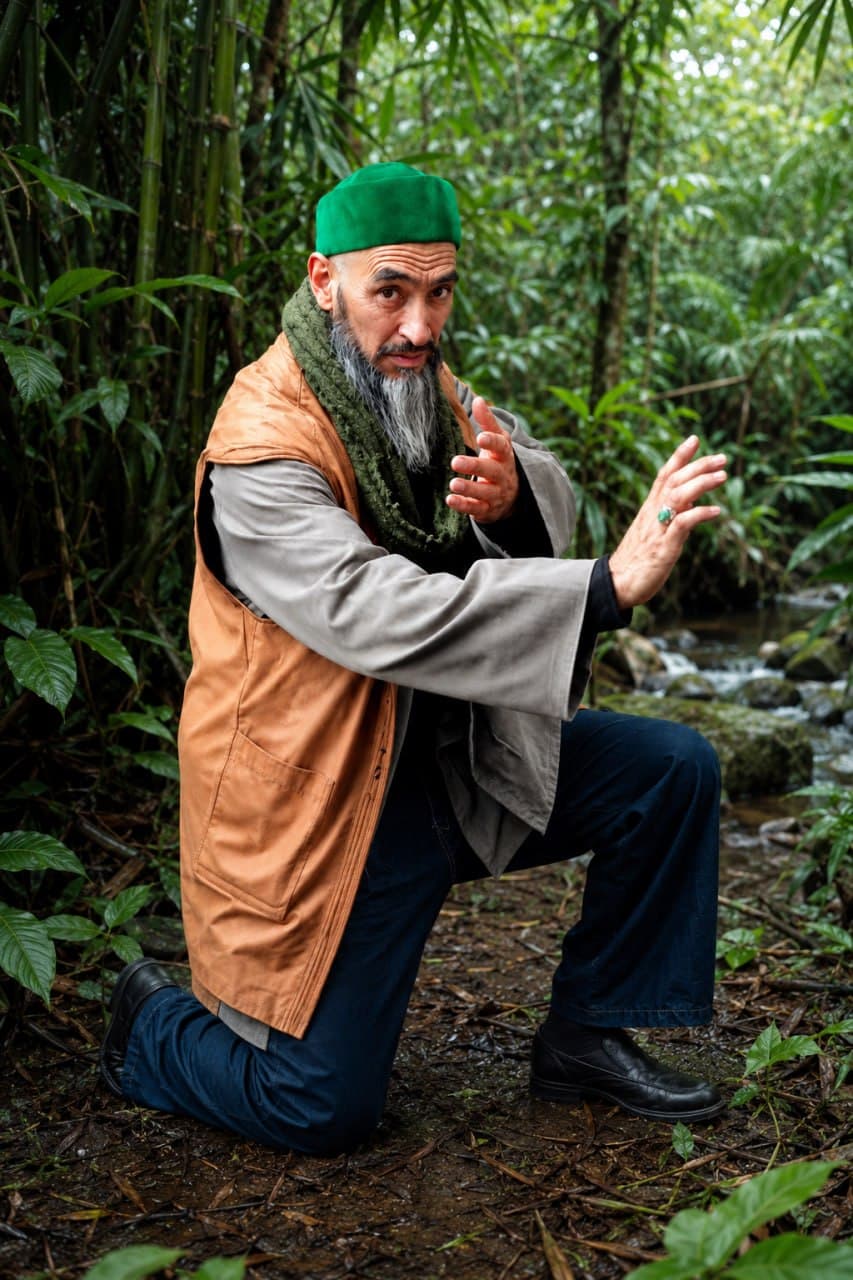
The emphasis is on cultivating the body and mind through steady training rather than promising instant power, secret activation or supernatural ability.
Master Abdur Rahman describes the work through breath, physical training and inner discipline. Public workshops introduce only material suitable for open teaching. Deeper lineage-specific material remains within the teacher-student relationship unless expressly authorised for wider instruction.
About Master Abdur RahmanFour foundations
The exact exercises are selected by the teacher for the people in front of him. These are the public principles around which an introductory workshop can be built.
Natural breathing is coordinated with posture and movement. The aim is calmness, composure and efficient use of the body rather than theatrical breath holding or mystical display.
The body is organised through posture, skeletal alignment, grounded stance and the relationship between muscles, tendons and joints.
Simple movements link breath and structure so the practitioner learns to move without unnecessary tension and to return to balance.
Attention, patience, intention and sustained practice matter. In the Tarikolot transmission, internal training sits inside a wider ethical and spiritual framework.
Who is it for?
The introductory pathway is designed to make this Indonesian tradition understandable to people who may never have encountered Southeast Asian internal training before.
Explore a different cultural approach to breath, posture, movement and internal development.
Study how breath, alignment, relaxation, grounding and composure relate to practical martial movement.
Experience a gentle, structured introduction without needing previous Silat or martial arts training.
Seminar formats
A two-to-three-hour first encounter for complete beginners, martial artists, Qigong or Tai Chi practitioners, and movement communities.
More time for cultural context, breathing, posture, alignment, movement, correction and carefully selected partner exercises.
A focused session for martial arts schools, retreat groups, cultural organisations or experienced practitioners with defined aims.
A national or international seminar developed with a host who wants to introduce Indonesian internal practice responsibly to an established community.
Clear public boundary
Public teaching is described in terms of traditional practice, breathing, posture, movement, balance, composure and internal training. We do not claim scientifically proven energy effects, guaranteed health outcomes, supernatural abilities or immunity from injury.
Some deeper terminology and training belong to later or more private stages of the tradition. Possessing a public workshop ticket does not confer access to restricted material, instructor status or authority to represent the lineage.
Discover Tenaga Dalam
Tell us where you are, what kind of group you have and what you hope to explore. We will reply with the most suitable next step.